Upper Mustang is the photographer’s and filmmaker’s personal canvas; its naked cliffs, medieval monasteries, and arid valleys are outside of the ordinary realm of mountain photography.
Every turn in the trail is a perfect backdrop where nature, religion, and history coexist in ideal harmony, forming a single gem for the creative mind.
Why Upper Mustang for Photography?
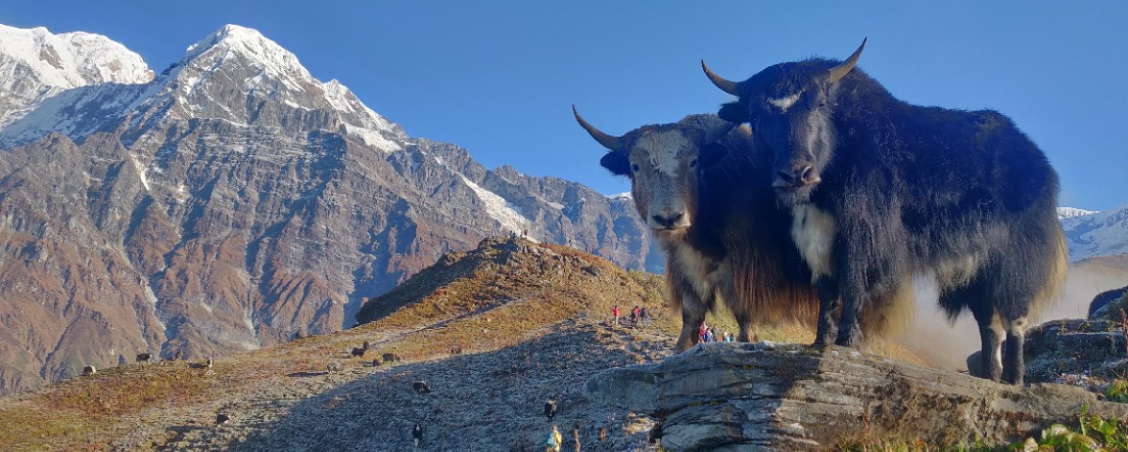
Upper Mustang is a departure from Nepal’s typical emerald green trekking terrain. It is a landscape that recalls the Tibetan high-deserts, mighty cliffs, barren canyons, and wind-erosion ridges that take on an otherworldly hue in changing lights. The golden-hour scenery is dreamy, just perfect for a shoot.
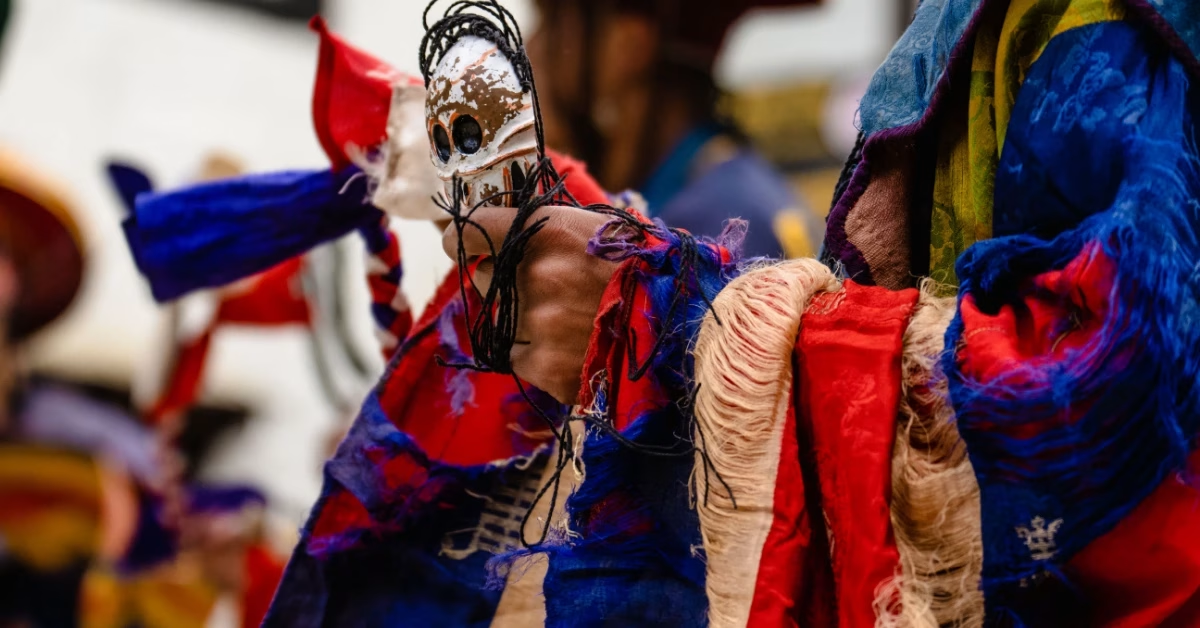
Yet landscape is only half the story. The region is intensely spiritual, and Tibetan Buddhist culture is still dominant in monasteries and villages. Tiji and other festivals are whirlwinds of colour, dance, and cultural iconography, and offer the chance for cultural photography.
Panoramic landscape shots of stunning valleys to close-up observation of monks turning prayer wheels, Upper Mustang has it all, a mix of landscape, culture, and human drama.
Prime Photography Attractions in Upper Mustang
The Upper Mustang region is dotted with locations that appear to have been designed with the sole purpose of being photographed. Each location has its own photographic beauty and appeal:
Lo Manthang (3,840m)
Walled city, home to ancient monasteries, narrow streets, and the palace of the kings. Whitewashed houses on undulating prayer flags make for good, solid cultural photographs.
Chhoser Caves
Ancient cave complexes hang precariously as remnants of former lives. Their enormity and texture provide ideal backgrounds for some fantastic photography, whether at sunset or sunrise.
Kagbeni (2,800m)
Gateway to Upper Mustang, with ancient town homes, riverside fields for farming, and a view over the Kali Gandaki valley. Another spot for good lifestyle photography with inhabitants.
Tsarang (Charang) Monastery (3,560m)
Tsarang Monastery is a grand structure that captures the spiritual essence of Upper Mustang in front of open valleys, perfect for capturing architecture and spirituality.
Dhaulagiri and Nilgiri Peaks
Dhaulagiri and Nilgiri peaks are the snow giants of the region that form a series of ridges, brutally contrasting against the desert land below.
Ghar Gompa
Ghar Gompa is one of the oldest Tibetan Buddhist monasteries in Nepal, full of history and murals, and is perfect for capturing cultural stories.
Yara and Ghara Villages
These are the remote villages set amidst breathtaking cliffs and caves. Visitors make it this far only occasionally, which means low-key lifestyle photography opportunity. .
Tiji Festival in Lo Manthang
Tiji festival in mustang is like no other. It is a three-day, every-other-year masked dance, ritual, and colorful costume extravaganza amidst the majestic snow-capped peaks and deserted ridges, perhaps the cultural gem of Mustang.
All of these locations put together offer a mix of nature’s splendor and cultural riches to make sure that any photographer or documentary maker will have an excellent portfolio of pictures to present.
Best Time for Photography in Upper Mustang
Time is an essential element of photography, and the same can be said for Upper Mustang.
- Spring (March–May): The most scenic, with clear blue skies, pleasant temperatures, and lush scenery. Rhododendrons adorn lower trails, and the light is perfect for landscapes and portraits.
- Autumn (September–November): Offers the best light, cool breezes, and golden fields that provide excellent composition. The season to shoot panoramic landscape photography.
- May (Tiji Festival): Cultural photography is ideal in May. With the festival in Lo Manthang, mask dancers, most attired dancers, and color splashes are the highlights.
- Winter (December–February): Snow with a sprinkle of fairy dust, but the cold and snow-blocked passes make this one challenging. Recommended only for experienced trekkers and serious photographers.
- Avoid Monsoon (June–August): Even though Upper Mustang is a rain shadow, the cloudy trail and dust storm can reduce visibility and overall comfort.
For the best weather, accessibility, and photography, spring and autumn remain the most recommended seasons.
Mandatory Photography Equipment
To maintain the Upper Mustang magic, you are required to carry the necessary equipment along with you. A telephoto lens needs to create expansive horizons and sweeping valleys, but a wide-angle lens allows you to capture snow peaks or take up-close portraits without encroaching on their space.
Tripod and ND filters are helpful when photographing monasteries against jagged landscapes or a river in long exposure. Dust being your faithful companion in Mustang, protection cover and cleaning kits are a godsend.
Electricity can be limited, especially in higher villages like Dharmasala or Samdo, so multiple batteries and power banks are crucial.
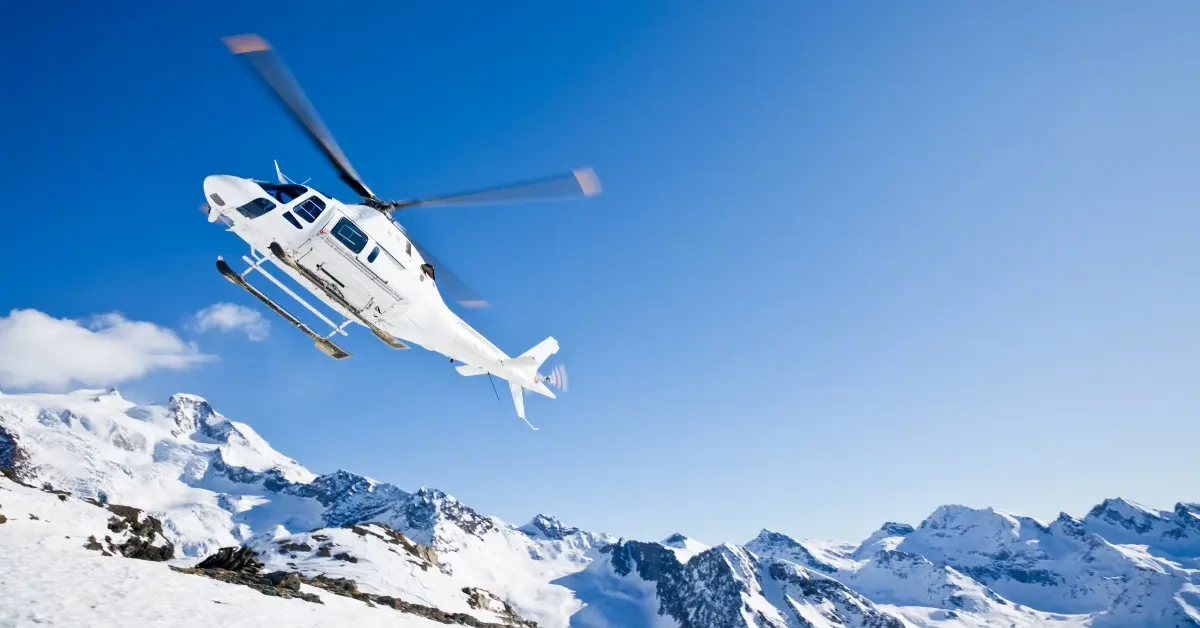
A drone, where permitted, provides a whole new perspective of the walled city of Lo Manthang or the vast desert ridges. With thoughtful gear selection, you’ll be ready to capture everything from wide Himalayan vistas to close-up cultural moments.
Challenges & Preparations
Though a richly rewarding one, photography in Upper Mustang does not come without its challenges. Preparation is required.
- Permits: Restricted Area Permit (approx. USD 500 for 10 days) and ACAP (Annapurna Conservation Area Permit).
- Guides: Free individual travel not allowed, registered guide only.
- Altitude: Trekking from 2,800m to nearly 4,000m. Acclimatize and watch for signs of altitude sickness.
- Fitness: Moderate trekking fitness required, with a 5–7 hour daily walk.
- Clothing: Layered clothing, warm jackets, gloves, and strong trekking boots for unpredictable weather.
- Connectivity: The Internet is patchy, and power is not always available. Bring offline maps and a solar bank.
- Health: Diamox, water purification tablets, and personal medication in a first aid kit are a must.
- Cash: ATMs are not available on the trek, so bring NPR denominations in Kathmandu.
- Respect: Always get permission before taking photos of locals and adhere to the rules of the monasteries.
Such preparations ensure your focus on creativity rather than logistics.
Conclusion
Upper Mustang Photography & Videography Tour is a creative adventure on location.
Here, the Himalayan desert landscape, ancient Tibetan culture, and the atmosphere of festivals like Tiji are all mixed together to form something completely different. From Chhoser’s towering cliffs to Lo Manthang’s ageless alleys, each location is walking into a living history.
It takes preparation on foot, hiking, and deference to its history, but in return, it rewards timeless memories to photographers and filmmakers who pursue depth, range, and reality. Here for the shooters who would wish to film a part of the world which still today remains outside and sacred, Upper Mustang is the perfect Himalayan drama.







Comments [0]
Add CommentNo Comments Found