Upper Mustang Tiji Festival – A Colorful Himalayan Celebration
Tiji Festival is one of the most enchanting and colorful festivals in Nepal, which occurs in the remote kingdom of Upper Mustang. This is a three-day festival held high up in the Himalayas and within the Tibetan border, where a grand array of Buddhist rites, masked dance, and ancient myths occur every spring. Visitors all over the world walk long, winding mountainous paths to see it, not only because of the beautiful scenery but also because of the profound spiritual and cultural vibrancy that permeates Lo Manthang, the capital of Mustang.
What is the Tiji Festival?
The name Tiji is translated to the Tibetan word, Tenchi or Tempa Chirim, meaning, Prayer of World peace. The festival pays homage to Dorje Jono (Vajrakilaya), a god who slayed the wicked powers in order to save Mustang from destruction. It is a symbol of a good triumphing over evil and the recovery of harmony.
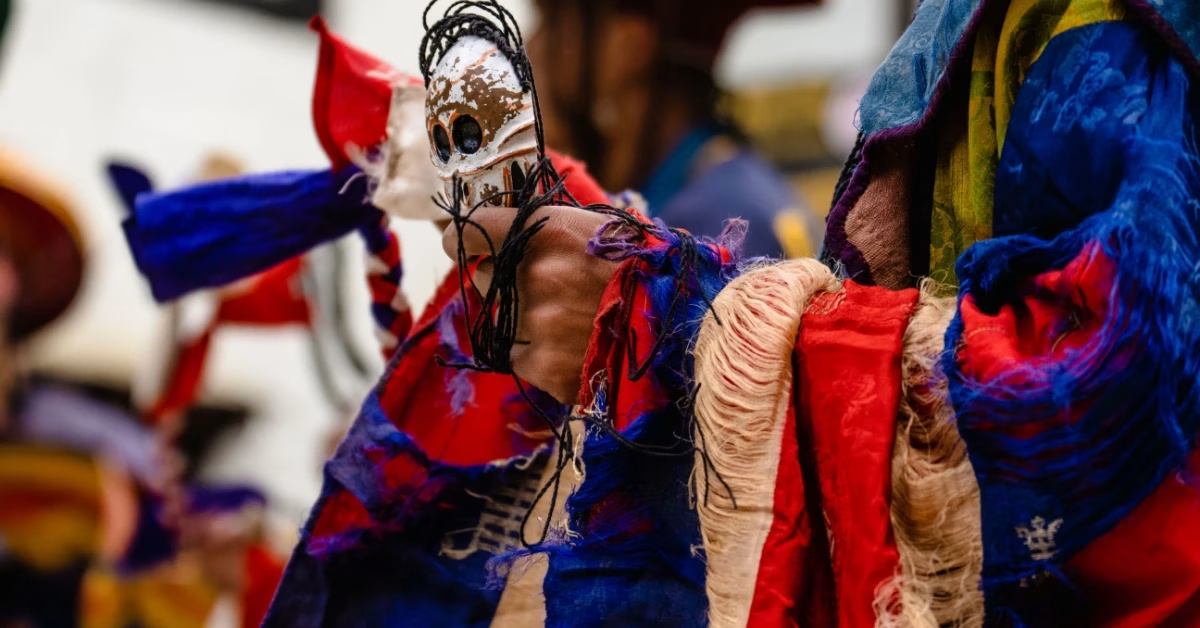
Each year, monks of Choedhe Monastery carry out vivid ceremonies within and outside the old palace courtyard of Lo Manthang. They use colorful masks and exuberant costumes, all symbolizing gods and evil spirits, and guardians. They narrate a mythological tale of the victory of Dorje Jono through music, chant, and religious dances.
To the locals, Tiji is not merely a religious ceremony but a spiritual cleansing of the whole area, which is said to ward off bad luck and to bring good fortune to the impending year.
History and Cultural Significance
The Tiji Festival is a well-established festival that is well-established and more than 300 years old and has its roots in Tibetan Buddhism. It is believed that a demon once caused havoc in Mustang through illness and water theft by introducing chaos and drought in the land.
One of the incarnations of Lord Buddha, Dorje Jono, fought the demon and brought peace. The monks of Mustang had to start doing the Tiji ritual every year to pray that they were being put under a protection and a new beginning.
Traditionally, Tiji was practiced in monasteries, and it was the prerogative of monks and natives. Nevertheless, within recent decades, it has been opened to visitors. The festival has also become a source of pride in Mustang’s heritage, a culture that has not been greatly influenced by modernity since it is isolated.
In current times, Tiji has been an essential part of maintaining the identity of the Lobas (the people of Mustang), the people who have strong cultural and linguistic connections with Tibet.
When and Where is the Tiji Festival Celebrated?
Tiji is held in Lo Manthang, the walled city of the upper part of Mustang, at an altitude of approximately 3800 meters. This festival typically takes place during May, after the third month of the Tibetan calendar.
The 2026 Tiji Festival will be held from May 14 to May 16, and in 2025, the festival was held from May 24-26. The time is relatively different every year, depending on the lunar calendar and decisions of local lamas (monks).
As the Upper Mustang is a restricted zone, tourists have to acquire a special permit and go with a registered trekking agency. The regulation assists in protecting the delicate culture and environment of the area and sustaining the local communities by means of sustainable tourism.
Tiji Festival Highlights
The three-day festival is conducted in different phases, all of which are imbued with religious connotation, music, and dancing.
Day 1 – The first day of Purification
Monks carry out rituals to invite the gods and initiate the development of cleansing the environment. The Tsa Chham dance first dance, represents the birth of Dorje Jono and the emergence of the evil powers that destabilize the land.
Day 2: The Battle of Good and Evil
The second day is the day of Nga Chham, which is a dramatic performance in which Dorje Jono fights against the suffering demon. There is drumming, horns, and singing of chants, with scary-looking monks dancing to represent the cosmos’ fight.
Day 3: Victory and Peace Ceremony
The event is concluded on the last day when an effigy of the demon is burned down. This is a gesture of victory of good and the reestablishment of peace and prosperity. It is celebrated as people living in the area are happy because they think that their land has been cleansed once again.
The mix of religion, art, and community spirit that will be experienced by the visitors is mesmerizing and is extremely difficult to witness anywhere in the world over the course of the three days.
How to Attend the Upper Mustang Tiji Festival
The road to Lo Manthang is an amazing experience. The majority of tourists start their journey in Pokhara, fly to Jomsom, and walk or drive across the Dry valleys of the Kali Gandaki River. The path goes through ancient villages such as Kagbeni, Chele, and Ghami and provides some breathtaking mountainous scenery along the route.
In order to visit the festival, you have to be accompanied by a licensed trekking firm, which manages to secure your restricted area permit (at present USD 500 per 10 days) and local guide. In Lo Manthang, accommodation is simple yet comfortable, primarily in guesthouses.
Arrive at least a day or two before the festival starts, both to get used to the altitude and to reserve a good position to watch the performances.
Trekking Itinerary with Tiji Festival
A standard Upper Mustang Tiji Festival Trek lasts about 15–17 days, including travel time:
- Day 1–2: Arrive in Kathmandu, prepare permits and equipment
- Day 3–4: Fly to Pokhara, then to Jomsom.
- Day 5–8: Trek through Kagbeni, Chele, Syangboche, and Dhakmar.
- Day 9: Reach Lo Manthang.
- Day 10–12: Attend Tiji Festival.
- Day 13–16: Trek or drive back to Jomsom, then Pokhara and Kathmandu.
- Day 17: Departure
This journey combines cultural immersion with stunning desert-like Himalayan scenery and centuries-old Buddhist monasteries.
Tips for Travelers Attending the Festival
- Book early, the accommodation is taken quickly.
- Be modest and observant of local practices.
- Always be hydrated and gradually acclimatize in order to prevent altitude sickness.
- Seek permission before taking pictures of monks or rituals.
- Bring warm clothes with you, evenings are chilly in May.
- Travel responsibly. Mustang is beautiful, and it should remain beautiful.
Tiji with Himalayan Holidays
The Upper Mustang Tiji Festival is the best event to experience in a lifetime, in case you ever fantasized about seeing a living Buddhist culture within the Himalayan splendor.
Let Himalayan Holidays arrange your trip, with experienced guides, cozy accommodation, and the necessary permits, and you can enjoy the adventure, and not the arrangements.
Book your Tiji festival adventure with Himalayan Holiday and experience a holy festival that few people in the world ever get a chance to attend.






Comments [0]
Add CommentNo Comments Found