Pikey Peak Trek is a little-known secret in the Solu-Khumbu valley of Nepal, which provides views of the Himalayas, abundant cultural experiences, and breathtaking scenery.
Pikey Peak is 4065 meters (13335 feet) high and offers a panoramic view of spectacular scenery that features Mount Everest, Kanchenjunga, Makalu, and Lhotse.
Although it is not as congested as the Everest Base Camp or the Annapurna Circuit, the trek is moderately challenging and needs preparation, strength, and knowledge of the high-altitude trekking requirements.
Here in this guide, we are going to dissect the level of difficulty, the terrain, seasonal factors, and tips to make your trek safe and enjoyable.
Difficulty level
The Pikey Peak Trek is regarded as moderately demanding; thus, it is fit to be taken by trekkers with reasonable fitness and experience in trekking.
Pikey Peak is not an extreme high-altitude journey in that an individual will not need a high level of mountaineering skills; with the right preparation, most active people can manage to accomplish this task.
The difficulty is primarily caused by the elevation, the distance of walking every day, and the dynamics of the trail conditions.
Trek Terrain and Elevation Gain
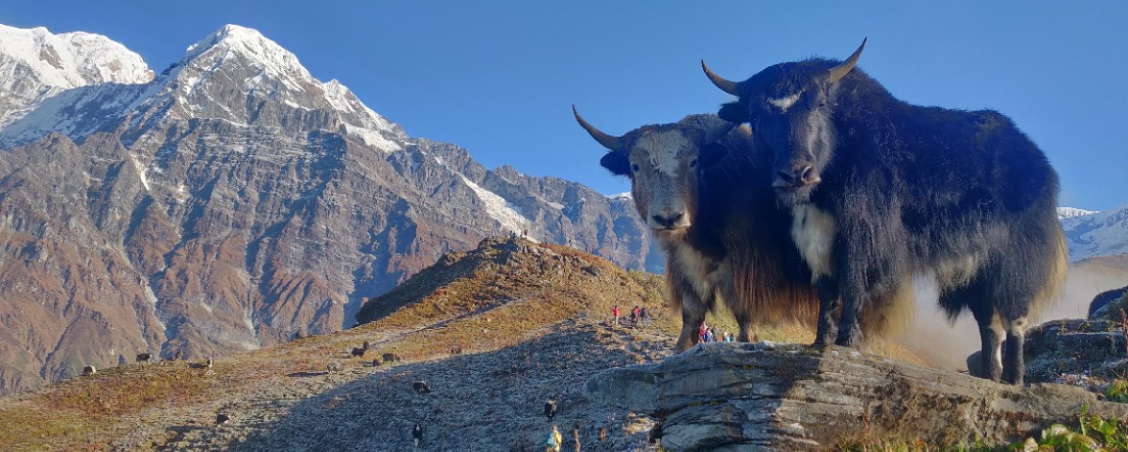
The hike is over a variety of landscapes, including both clear roads and rugged and bumpy paths. The trekkers will be faced with sharp uphills and downhills, especially in areas that lead to the summit. The range of daily walks is usually between 5 and 15 kilometers (3-9 miles), based on the schedule.
Difficulty may also be influenced by trail conditions. The tracks can be muddy and slippery in the season of monsoons, and trekking poles are needed to make things steady and relieve the strain on the knees.
The expedition will go through the rhododendron forests, terraced areas, alpine meadows, and the old Sherpa villages, which bring both beauty and some challenges to the trekkers.
Seasonal Factors Affecting Difficulty
The weather is a significant factor that defines the overall challenge of the trek.
The most appropriate time to go trekking is during spring (March to May) and autumn (September to November) when the weather is clear, the temperature is moderate, and visibility is good.
Monsoon season (June to August): Trails might be slippery, streams might increase, and heavy rainfall may cause trekking to be more demanding.
Winter season (December to February): It may be cold, there may be snowy days and/or icy trails, making the physical effort more demanding and requiring the equipment.
It is important to be ready for the weather changes and always bring some layers and water-resistant equipment to be comfortable and safe.
Physical Fitness and Preparation
The successful trek up Pikey Peak requires proper physical preparation. Endurance is enhanced with the help of cardiovascular and leg-strengthening exercises, i.e., hiking, jogging, and stair climbing. The trek will be at an altitude and thus needs to be well acclimatized to avoid Acute Mountain Sickness (AMS).
This is important because of the gradual ascent and rest days, so remember to hydrate at all times during the trek. Watch your body, and if you experience symptoms of an AMS, e.g., headache or dizziness, you need to descend.
Although it takes only moderate trekking experience, which difference lies in traveling the daily walking distance and the difficult parts of the trail.
Safety and Health Considerations
While the Pikey Peak trek is relatively safe, several health and safety measures should be observed:
- Altitude acclimatization: Avoid rapid ascent and consider rest days to adjust to higher altitudes.
- Hydration and water safety: Carry a reusable water bottle and purification tablets or filters.
- Trekking permits: Obtain the TIMS card and Sagarmatha National Park permit to comply with regulations.
- Travel insurance: Ensure it covers trekking, emergency medical evacuation, and unforeseen events.
- Local guidance: Hiring a knowledgeable guide can help navigate trails, provide cultural insights, and respond to emergencies.
By following these precautions, trekkers can minimize risks and enjoy a safe journey.
Packing and Gear Tips for Challenging Sections
Gear is important to deal with the difficulty of the trek:
- Footwear: Trekking shoes are needed that have good ankle support.
- Trekking poles: Assist balance on rough surfaces and lessen strain on the knees.
- Layered clothing: It keeps off cold mornings, strong winds, and changes in weather.
- Sleeping bag: It will be helpful during cold nights in teahouses or lodges.
- First aid kit: contains medicine against headaches, altitude sickness, and minor injuries.
A well-packed bag will keep one comfortable, safe, and less fatigued, particularly when climbing steep or slippery parts of the trail.
FAQs About Pikey Peak Trek Difficulty
1. What is the overall difficulty of the Pikey Peak trek?
The trek is moderately challenging. Trekkers should have a reasonable level of fitness and some prior trekking experience. Altitude and trail conditions add to the difficulty.
2. How long does the trek take?
Most itineraries take 8–12 days, depending on your pace and chosen route. Daily walking distances range from 5 to 15 km (3–9 miles).
3. Is acclimatization necessary?
Yes. The trek reaches 4,065 meters (13,335 feet), so proper acclimatization, hydration, and rest days are essential to prevent altitude sickness.
4. How difficult is the terrain?
Trails vary from well-defined paths to rocky and uneven sections, including steep ascents and descents. Trekking poles are recommended for stability.
5. What seasons are best for trekking?
Spring (March–May) and Autumn (September–November) are ideal. Monsoon season can make trails slippery, while winter may bring snow and icy conditions.
6. Are guides or porters necessary?
Hiring a guide is optional but recommended for navigation, safety, and cultural insights. A porter can help with heavy backpacks and make the trek more comfortable.
7. What should I pack for challenging sections?
Sturdy trekking boots, trekking poles, layered clothing, a warm sleeping bag, and a first aid kit are essential. Waterproof gear is recommended during rainy or snowy seasons.
8. Are there medical facilities along the trek?
Facilities are limited in remote villages. Basic first aid is available in teahouses, but serious medical help requires descending to larger towns. Travel insurance covering emergency evacuation is advised.






Comments [0]
Add CommentNo Comments Found