In this guide, we provide information about trekking to Everest Base Camp in winter season including details about temperatures and weather. Also, the accommodation viability, gear checklists, and pros and cons of trekking during winter are explained
Everest Base Camp (EBC) is the most popular and visited trekking route in the lap of Mount Everest. It is also performed during winter (December to February) as the season is best for low crowds, mountain clarity, and snow-covered landscapes. Although winter is not the ideal season for trekking in the Everest region due to cold temperatures as low as -25°C, the season still gives unique thrills and adventure. With proper preparation, careful itinerary planning, proper gear, and additional precaution, you can have an unforgettable journey through pristine Himalayan scenery.
Why Trek EBC in Winter
A trek to Everest Base Camp (EBC) in winter can be memorable due to peaceful trails with less crowds. Your journey are mixed of challenging adventure and best view of Himalayan scenery.
1. Low Footfall
Winter is offseason for trekking in Everest Base Camp due to which crowds are less. This provides wonderful opportunity for you to connect with nature and local without distraction.
2. Best Mountain Clarity
During winter, you get clean skies and low humidity that improves your visibility. You get a clear view of mountains such as Everest and other surrounding peaks.
3. Snow-Covered Scenery
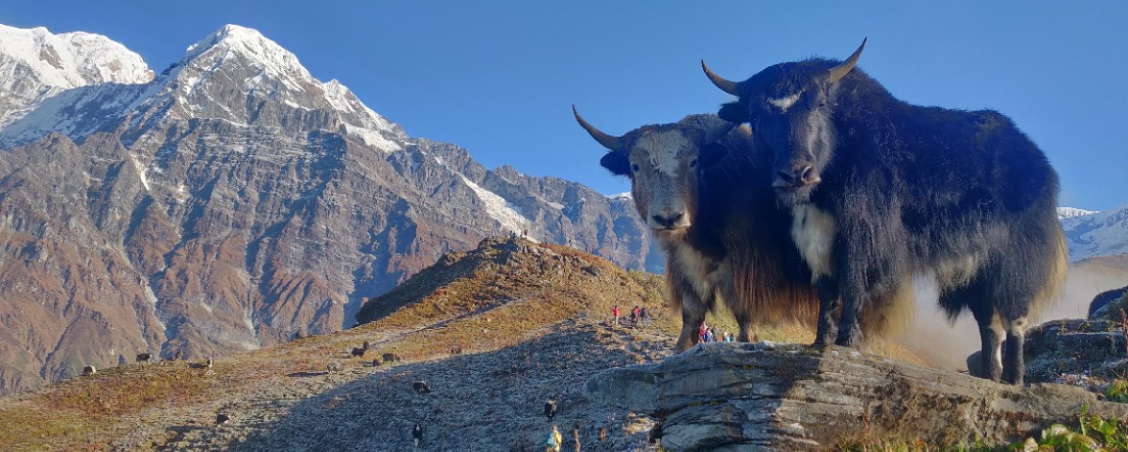
While trekking to Everest Base Camp during winter, the surrounding landscape filled with snow elevates your experience. Also, the view of snow filled landscapes are best for photography.
Weather and Temperature Guide
Winters in Everest Base Camp are cold, dry, and clear with stunning views. The temperatures in places like Lukla and Namche average around 5°C to 10°C during the daytime. In higher altitude locations like Dingboche, Lobuche, and Gorak Shep, temperatures go below freezing points, reaching -25°C or lower.
Snow Probability and Trail Conditions
The trails are less crowdy but there is high chance of snowfall in high altitudes above 3,500 m. Snowfall in the region can lead to icy and slippery trails, making your journey challenging. There are higher chances of snowstorm during morning period. We strongly recommend you to bring suitable gears and accessories such as crampons, micro spikes, and favorable clothing.
Accommodation Viability
Accommodation at Everest Base Camp trek in winter are limited to basic accommodation and tea house operations. Although there are less crowds, most of the accommodation providers at high altitude close during the season. You get few teas house and accommodation facilities with limited availability. We recommend for reservation or booking before travelling to the region.
Essential Gear Checklist
Everest Base Camp trek during winter brings various complications and weather-related challenges. For safe and comfortable journey in the trail, it is important to trek with essential gear and equipment. Below are the must-have gear checklists for trekking to the Everest region in winter:
Insulated down jacket and trousers with thermal base layers
Waterproof trekking boots
Crampons/micro spikes
Sunglasses and sunscreens
Sleeping bag (at least -20 °C rated)
Fleece mid layers
Gloves, a hat, and trekking socks
Trekking poles
Water bottles
Pros and Cons of Winter EBC Trek
Everest Base Camp trek during winter offers both rewarding and challenging experience to the trekkers. The pros and cons of the EBC trek during winter are:
Pros
Cons
Trails are less crowded and peaceful during winters.
Snows and slippery trails with cold temperatures dropping to -25°C or lower
Clear mountain view and low humidity.
High chance of snowstorm and cold winds during the morning and evening.
View of snow covered landscape offering true Himalayan experience.
Days are shorter, so trekking hours are limited
Lodges in lower altitudes are less crowded and provide personalized services.
Limited accommodation facilities at higher altitudes.
Trekking expenses are low due to offseason prices.
Higher chance of trek delays due to flight cancellations or delays.
Health consideration
It is important to consider health and safety during trekking in Everest Base Camp during winter. As you reach to high-altitude of 5,364m, there are higher chance of acute mountain sickness, hypothermia, and frostbite. To deal it safely, it is important to plan the trek properly following proper acclimatization, hydration, and gears. Trekking with experienced guide can also be helpful to manage safe ascent and descent in challenging trails.
Conclusion
Everest Base Camp is challenging in the winter due to heavy snowfall, slippery trails, and extreme cold. Trekking here requires preparation and consideration of health and safety risks. The clean weather, snow-covered landscape, and peaceful trails make your journey wonderful. For safety, proper gears and equipment, a well-planned itinerary, and pre-booking of accommodation is important. If you are also planning to trek in Everest Base Camp during winter, contact Himalayan Holidays Nepal. Himalayan Holidays is a a trusted travel company that provides well planned itineraries, guidelines, and logistic support to make your Everest Base Camp trek comfortable during winter.






Comments [0]
Add CommentNo Comments Found