Nepal is an adventurer’s paradise. With its diverse landscape, breathtaking Himalayan scenery, and sophisticated culture, the nation offers limitless opportunities for nature exploration.
But first, make sure you understand the distinction between trekking and hiking—two words often used interchangeably but not the same.
Though they both involve walking outdoors, they differ in terms of difficulty level, distance, terrain, and experience. Let us consider the major differences between trekking and hiking in Nepal.
Definition: Hiking vs. Trekking
Hiking is usually an informal walk along well-marked trails, typically accomplished in a day or a weekend. Hikes are shorter and less arduous and closer to towns or semi-rural villages.
Trekking, on the other hand, consists of multi-day trips to the countryside, typically at lower altitudes. It calls for more endurance and preparation, as it involves rough terrain, overnight stays, and transportation in rural mountain villages or remote areas.
Duration and Commitment
Hiking in Nepal is normally a day or two-day excursion. Hikes in the Kathmandu and Pokhara area, i.e., Shivapuri Hill, Nagarkot, or Sarangkot, can be finished within a few hours or a day.
Nepal trekking takes more time commitment—3 days to three weeks. Traditional treks like the Annapurna Circuit, Everest Base Camp, or Manaslu Circuit involve several days of walking, adjusting to the altitude, and recovering.
Key Point:
Hiking = short-term and flexible
Trekking = long-term & organized
Terrain and Altitude
Nepal’s diverse landscape guarantees that trekking and hiking paths differ considerably in terrain and altitude.
Hiking occurs on less inclined slopes below 2,500 meters altitude. Trails are well-trodden and well-marked, and the chance of getting altitude sickness is low.
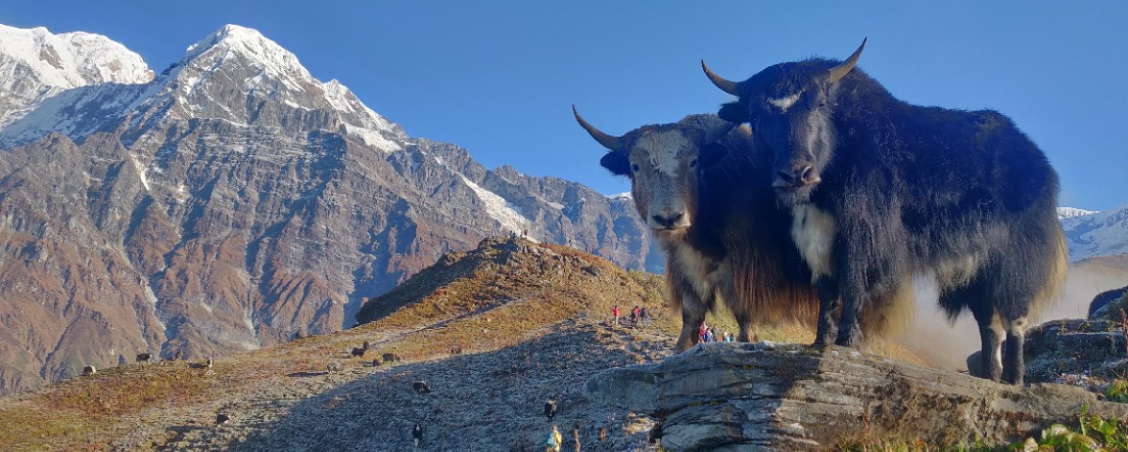
Trekking excursions to the higher Himalayas up to elevations of 3,000–5,500 meters and above. The trail is challenging and rocky, with steep slopes, river crossing, and boulder-covered trails.
These altitude treks such as Everest Base Camp (5,364m) or Thorong La Pass (5,416m) require physical stamina and mental toughness, and acclimatization to altitude is required.
Gears Required and Preparation
For Hiking:
Lightweight gear
Comfortable walking shoes.
Water, snacks, and a daypack
Wear light apparel as per the season
Trekking in Nepal generally doesn’t require a porter or guide and can be done single-handedly with the help of a map or GPS.
For Trekking:
Hiking boots
Layered clothing (cold and warm seasons)
Sleeping bags, poles, and perhaps crampons
First-aid kit and medication for altitude sickness
Trekking also usually includes permits such as TIMS (Trekker’s Information Management System) and national park entry permits. The majority of trekkers use guides and porters for safety, support, and local expertise.
Cultural Experience
Diverse cultural experience is one of the foremost reasons why people would trek in Nepal.
Hiking will go through some of the surrounding villages or temples, albeit with limited contact.
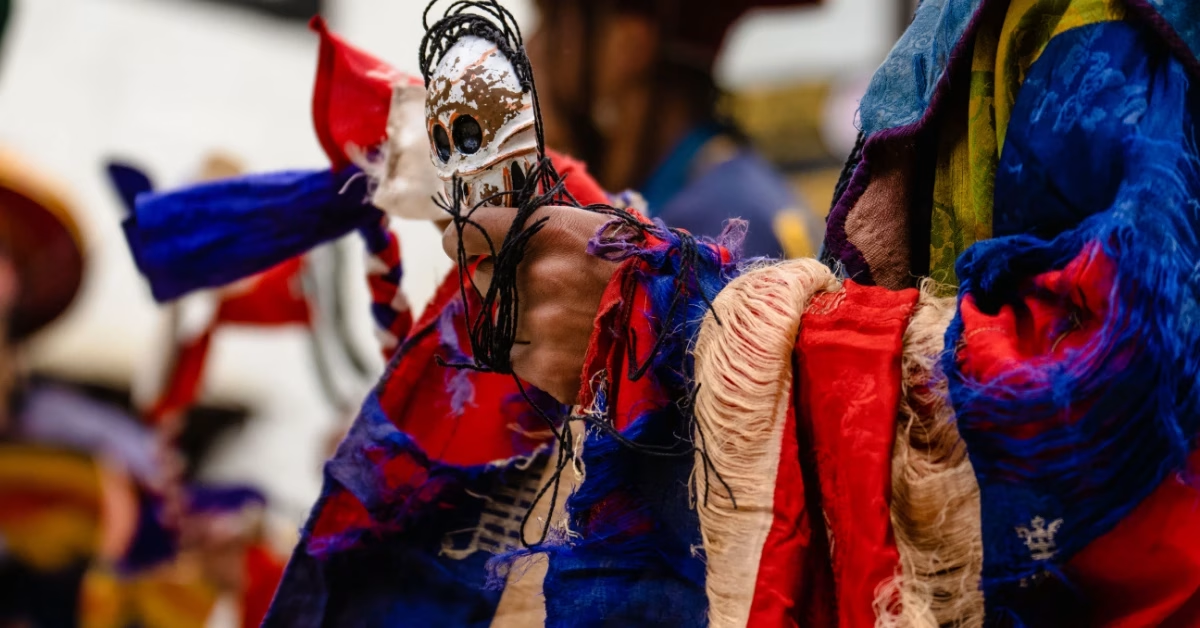
Trekking offers more exposure to the rural Himalayan culture. You will stay in teahouses, eat with locals, and observe the unique cultures of ethnic groups like Sherpas, Gurungs, or Tamang.
The longer treks generally pass through old monasteries, Buddhist stupas, and remote settlements untouched by modern development.
Physical Fitness Level
Hiking is suitable for most people, from kids to aged adults. It’s an excellent activity for beginners or for those with a short time frame.
Trekking is a moderate to high-fitness activity. The long walking times and steep hills can be challenging. Some training or prior experience of multi-day walking is advisable.
All of this notwithstanding, however, there are still shorter hikes like the Ghorepani Poon Hill that are less strenuous but with equally wonderful scenery.
Cost and Logistics
Hiking is not that costly. Most hikes don’t need a guide, and you typically don’t need to spend the night unless you’re on an overnight excursion.
Trekking costs more due to transportation to remote trailheads, guides/porters’ charges, and food/ lodging for several days.
Pro Tip: Group hiking can reduce individual costs by dividing the cost of guides, porters, and accommodations.
Which One is Right for You?
Criteria
Hiking
Trekking
Duration
1 – 2 days
3 days to 3+ weeks
Difficulty
Easy to moderate
Moderate to strenuous
Altitude
Below 2,500m
Up to 5,500m+
Preparation
Minimal
High (gear, permits, acclimatization)
Cultural Interaction
Light
Deep and immersive
Cost
Low
Moderate to High
Final Thoughts
Both trekking and hiking in Nepal offer stunning scenery and lifetime experiences. Hiking in the Kathmandu or Pokhara area, if you are an outdoor enthusiast beginner or do not have much time, affords you a fresh glimpse of Nepal’s nature. But if you are an adventure-seeker and have a desire to see the high Himalayas and the indigenous cultures up close in detail, trekking is the best option.
Whatever your choice, Nepal promises an experience of stunning views, warm hospitality, and intimate contact with nature. Just select your trail of choice depending on your interest, time, and physical condition—and the experience begins.







Comments [0]
Add CommentNo Comments Found